

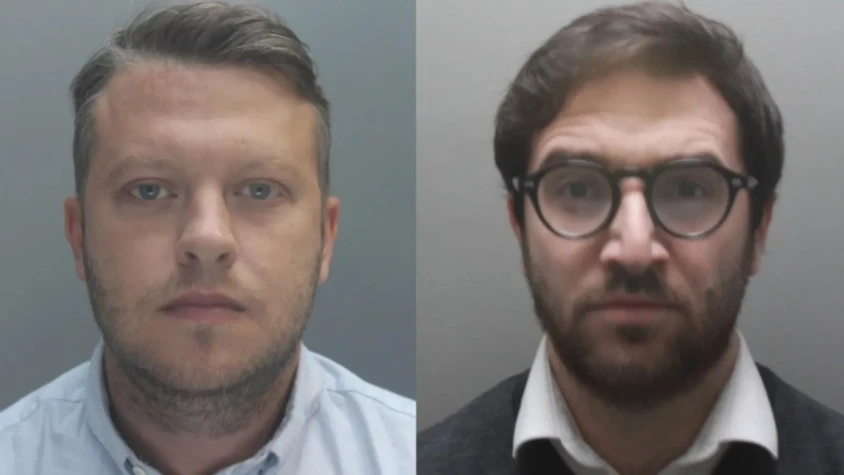
Five men have been sentenced at Liverpool Crown Court for their part in a sophisticated ticket fraud operation that generated an estimated £500,000 to £1m by reselling Liverpool tickets at vastly inflated prices.
The scheme, which began in 2015 and was described as the "Amazon" of ticket touting, was orchestrated from a rented office on a college campus in Kirkby, Merseyside, despite the company – Seatfinder UK – being registered in Dubai.
The sentences
Joseph Johnson, 42, described by prosecutors as the "mastermind" of the operation, received the heaviest sentence of four and a half years in prison after admitting three counts of conspiracy to commit fraud.
Louis James, 37, who worked in Liverpool's ticket office, was sentenced to two years and four months in prison after admitting three counts of conspiracy to commit fraud.
Liam Rice, 36, and Lee Smith, 38, both received sentences of two years and 10 months in jail.
James Johnson, 34, who also worked in the ticket office, was given a 21-month suspended sentence with 150 hours of unpaid work and a two-month electronic curfew.
How the scam worked
The operation exploited Liverpool's ticketing system in multiple ways. Initially, the two ticket office workers manipulated the system to purchase cheap tickets reserved for supporters with Liverpool postcodes – priced at just £9 – before they went on general sale.
These tickets, designed to make football accessible to local fans, were then resold at enormous mark-ups. Evidence presented in court showed Joseph Johnson asking £400 for a single ticket to Manchester United v Liverpool and £250 for Everton v Liverpool.
Even after James and Johnson were sacked from the ticket office, the fraud continued. The group created more than 1,000 fake Liverpool membership accounts using false names and addresses – including Liverpool Prison and a city centre hotel – to gain early access to tickets.
Documents found on a computer revealed they had also created hundreds of fake membership accounts with Manchester United, Manchester City, Chelsea, Arsenal and Tottenham Hotspur.
Defence claims players were involved
In a remarkable intervention during sentencing, Damian Nolan, defending Louis James, claimed Liverpool could not claim reputational damage from the fraud "because senior players in the first team squad were equally active in this market as anyone and that was happening right under the club's nose."
He added: "Liverpool cannot claim to be damaged here because they tolerated the same behaviour from players and staff. The club want to control the secondary ticket market – that's what this case is about."
At an earlier hearing, the court heard evidence that "the uncle of a first team player" had been involved in handing over tickets for cash.
Prosecution response
Prosecutor Nicola Daley emphasised that the real victims were genuine supporters: "The real loss was to genuine fans. Tickets meant for local supporters, priced to make games and football accessible to all, were diverted and resold at significantly inflated prices."
Senior District Crown Prosecutor Jonathan Egan added: "Their so-called 'business' grew and grew and went from being the equivalent of a market stall to a multi-million pound enterprise, with a base in Dubai."
Liverpool's ongoing battle
The sentencing comes amid Liverpool's intensified crackdown on ticket touting. Earlier this year, the club revealed it had issued 1,114 lifetime bans and shut down 145,000 fake accounts over two seasons. The club has also blocked 500 supporters from entering Anfield for using "burner phones" – devices used by touts to avoid tickets being traced.
Despite these efforts, today's case demonstrates the industrial scale of the problem and raises uncomfortable questions about how deep the issue runs within football.

