


St. Pauli 1910
FC St. Pauli 1910 (STP)
Overview
FC St. Pauli is one of world football's most unique and emblematic clubs. Founded in 1910 in Hamburg's working-class port district of Sankt Pauli, the club alternates between Bundesliga and 2. Bundesliga, playing matches at the mythical Millerntor-Stadion, a 29,546-capacity venue situated in the heart of Sankt Pauli's popular district, known for its alternative and libertarian atmosphere.
St. Pauli has never won a major national title, but the club is world-renowned for progressive values and social and political engagement. The skull and crossbones, the club's symbol adopted in the 1980s by supporters, has become an icon of football counterculture. The club actively defends anti-racism, anti-fascism, LGBTQ+ rights, and social equality, making St. Pauli much more than a simple football club.
Emblematic players like Fabian Boll, Deniz Naki, and Cenk Şahin have embodied the club's rebel spirit. St. Pauli maintains an intense rivalry with Hamburger SV in the Hamburg derby, one of Germany's hottest. St. Pauli supporters, organized and politicized, create a unique Millerntor atmosphere with their protest chants and engaged tifos. The club possesses a worldwide fanbase attracted by alternative values, making St. Pauli a unique sociological phenomenon in football.
Latest news
12/18/2025
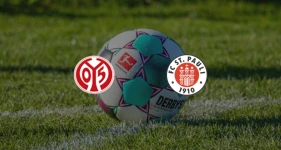
1. FSV Mainz 05 host FC St. Pauli at the MEWA Arena on Matchday 15. The Carnival club face the battling Kiezklub in Sunday's early fixture.

12/13/2025
Bayer Leverkusen claimed the Rhein derby 2-0 against Köln, while 10-man St. Pauli secured a crucial victory over Heidenheim. Hamburg's return to the t...

12/13/2025
Bayer Leverkusen welcome city rivals Köln for the first Rheinland derby in six years, while Hamburger SV make their long-awaited Bundesliga return wit...