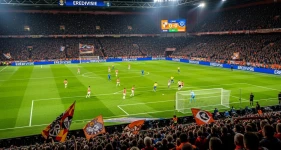

Sparta Rotterdam represents one of Dutch football's oldest and most respected institutions. Founded in 1888, the club is among Netherlands football pioneers and possesses rich history. The Kasteelheren (Castle Lords) play at Sparta-Stadion Het Kasteel, a historic and picturesque 11,000-capacity venue constituting one of the Netherlands' most beautiful traditional stadiums.
Sparta Rotterdam's history shines particularly in early 20th century with six Dutch championships won between 1909 and 1959. The club also dominated Dutch football before Ajax and Feyenoord's emergence as superpowers. Despite a more difficult period in following decades, Sparta maintained its place in the Dutch elite and preserves its status as respected Dutch football institution.
Sparta Rotterdam embodies traditional football values with strong attachment to its local identity and historic stadium. The club relies on youth talent development and attractive football to compete with clubs having superior budgets. The Kasteelheren maintain rivalries with Feyenoord and Excelsior in Rotterdam derbies, confrontations that ignite the port city. The objective is to maintain itself sustainably in Eredivisie and progressively return to Dutch football's summit.
FAQ
Sparta plays at Sparta-Stadion Het Kasteel (Castle Stadium), a historic 11,026-capacity venue. This picturesque stadium, one of the Netherlands' oldest still active, offers unique charm with traditional architecture and intimate atmosphere.
Founded in 1888, Sparta is the Netherlands' oldest professional club still active. The club dominated Dutch football in early 20th century with six championships, before Ajax and Feyenoord's emergence as dominant forces.
The record includes six Dutch championships (1909, 1911, 1912, 1913, 1915, 1959) and three KNVB Cups. These titles, won mainly in the first half of the 20th century, testify to the club's historical prestige.
Kasteelheren means "Castle Lords" in Dutch, direct reference to Het Kasteel (the Castle) stadium name. This noble nickname reflects pride and historic tradition of this Dutch football pioneer club.
Het Kasteel is one of Europe's most beautiful traditional stadiums, with classic architecture and wooden stands. Classified as historic monument, this stadium offers unique atmosphere and constitutes a true time travel into Dutch football.
Main rivalries involve Feyenoord (Rotterdam derby) and Excelsior (local derby). The Feyenoord match, though unbalanced in terms of resources, remains emotionally charged and divides the port city between different colors.
Sparta compensates for its modest budget through exemplary organization, quality training, and attractive play. The club relies on discovering young talents, total commitment, and Kasteel advantage to compete with wealthier formations.
Sparta favors offensive and technical football typically Dutch, based on possession and quick combinations. The club seeks to seduce through play and perpetuate the beautiful football tradition that built its historical reputation.
Sparta's academy focuses on technical training according to traditional Dutch philosophy. The club invests in developing local young players capable of integrating the first team and perpetuating Sparta's identity in modern football.
Sparta aims to maintain itself sustainably in Eredivisie and play mid-table. Longer-term, the club aspires to return to Dutch football's summit and win a new title, reviving golden years' glory.